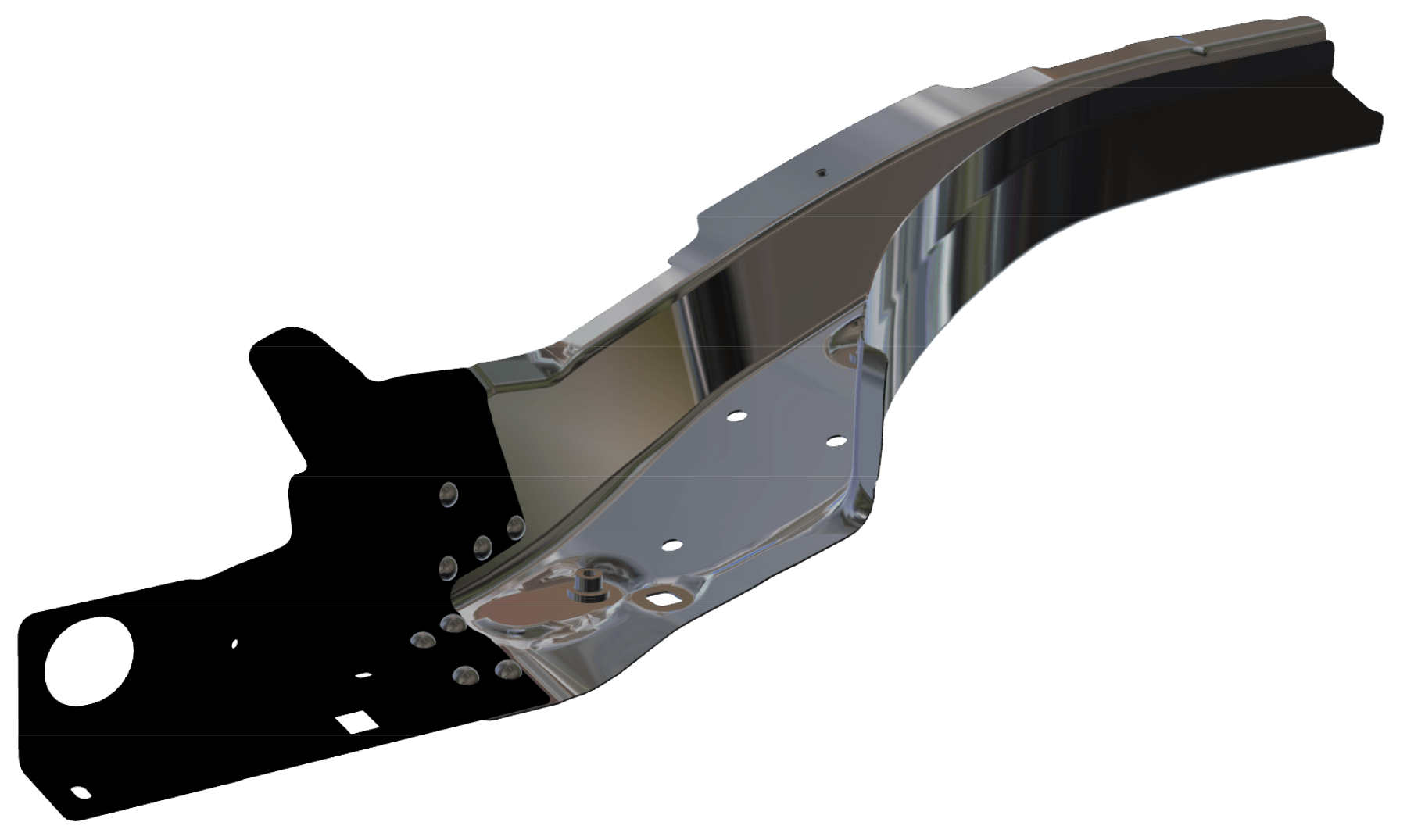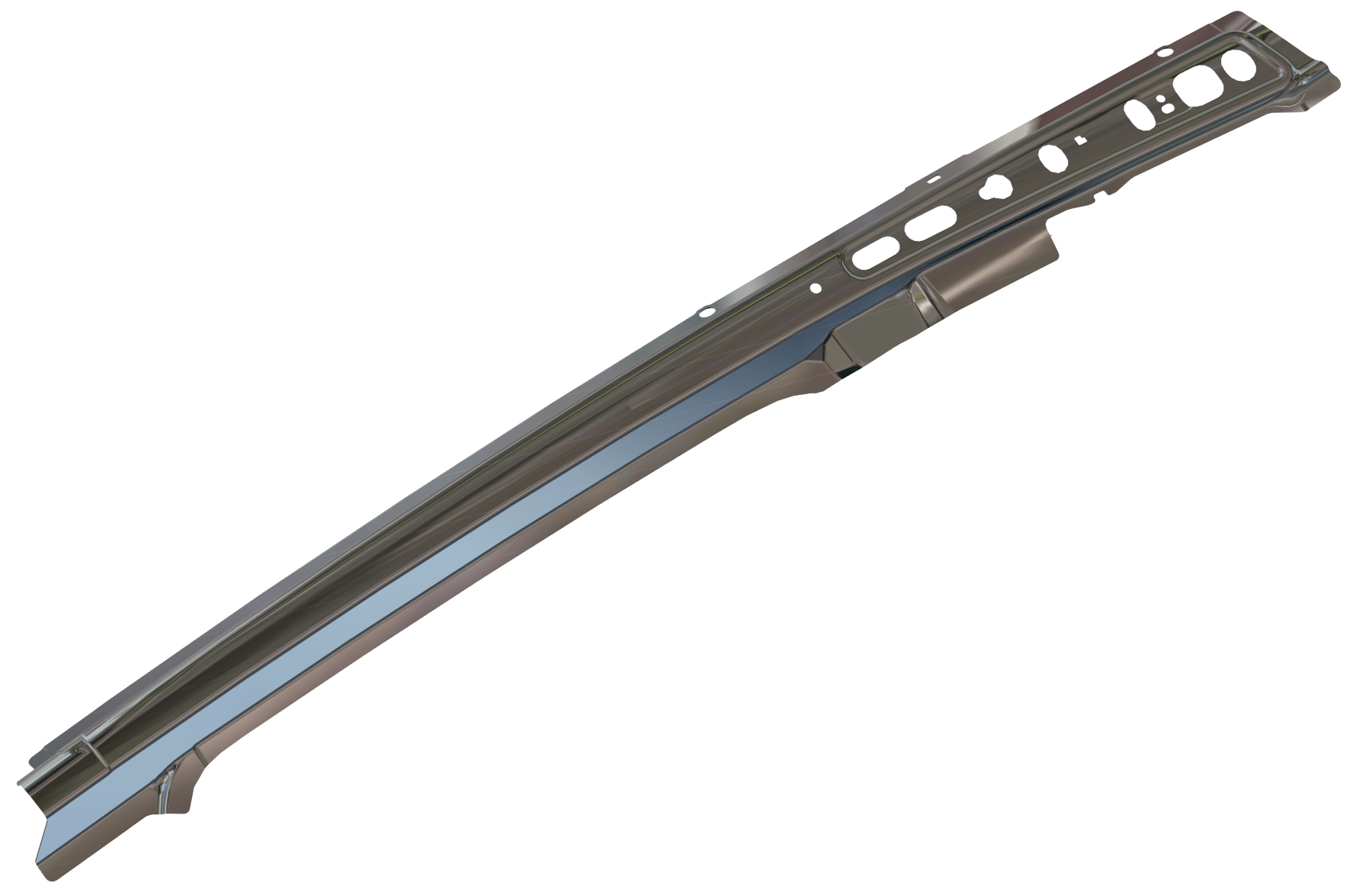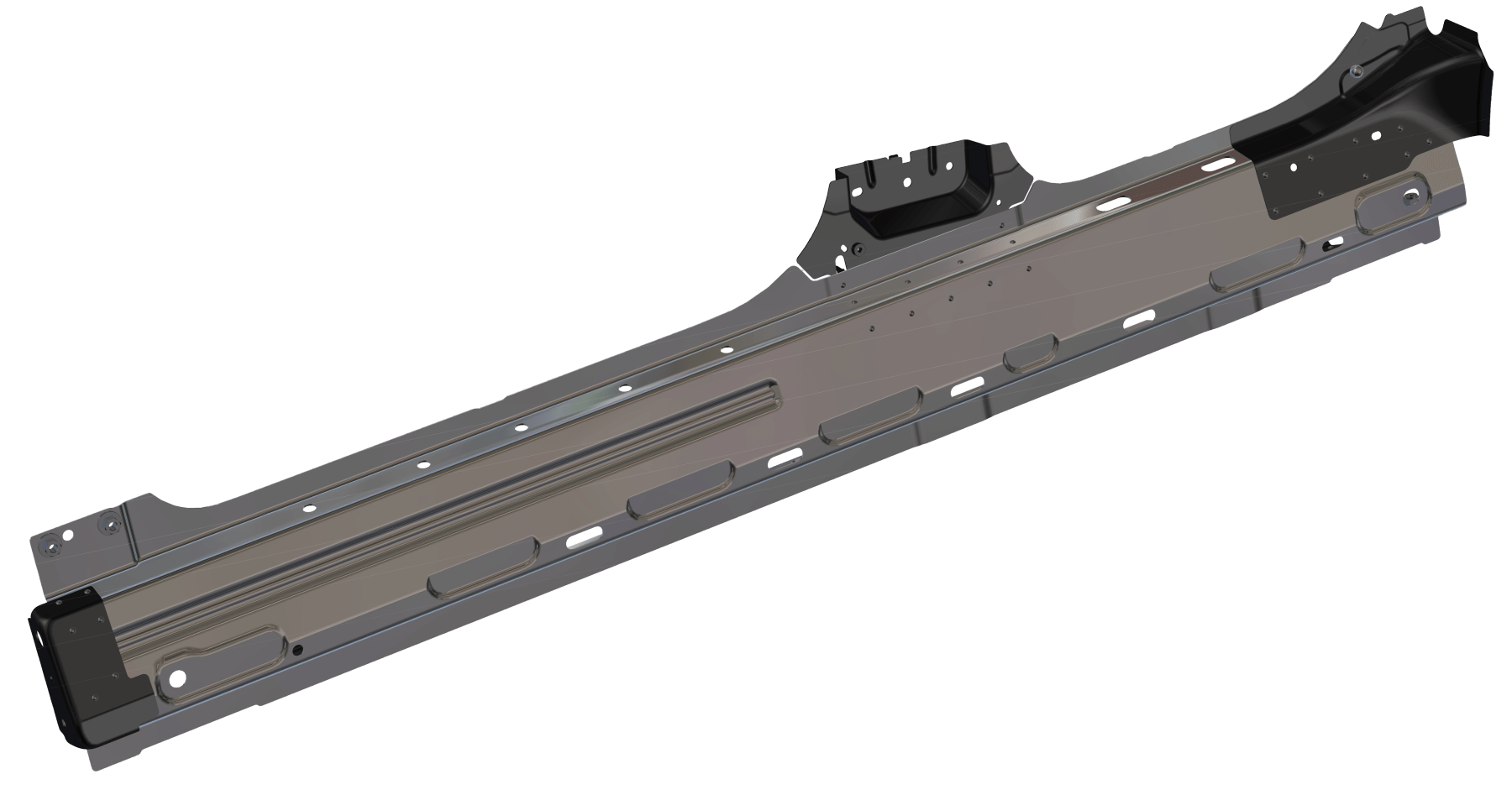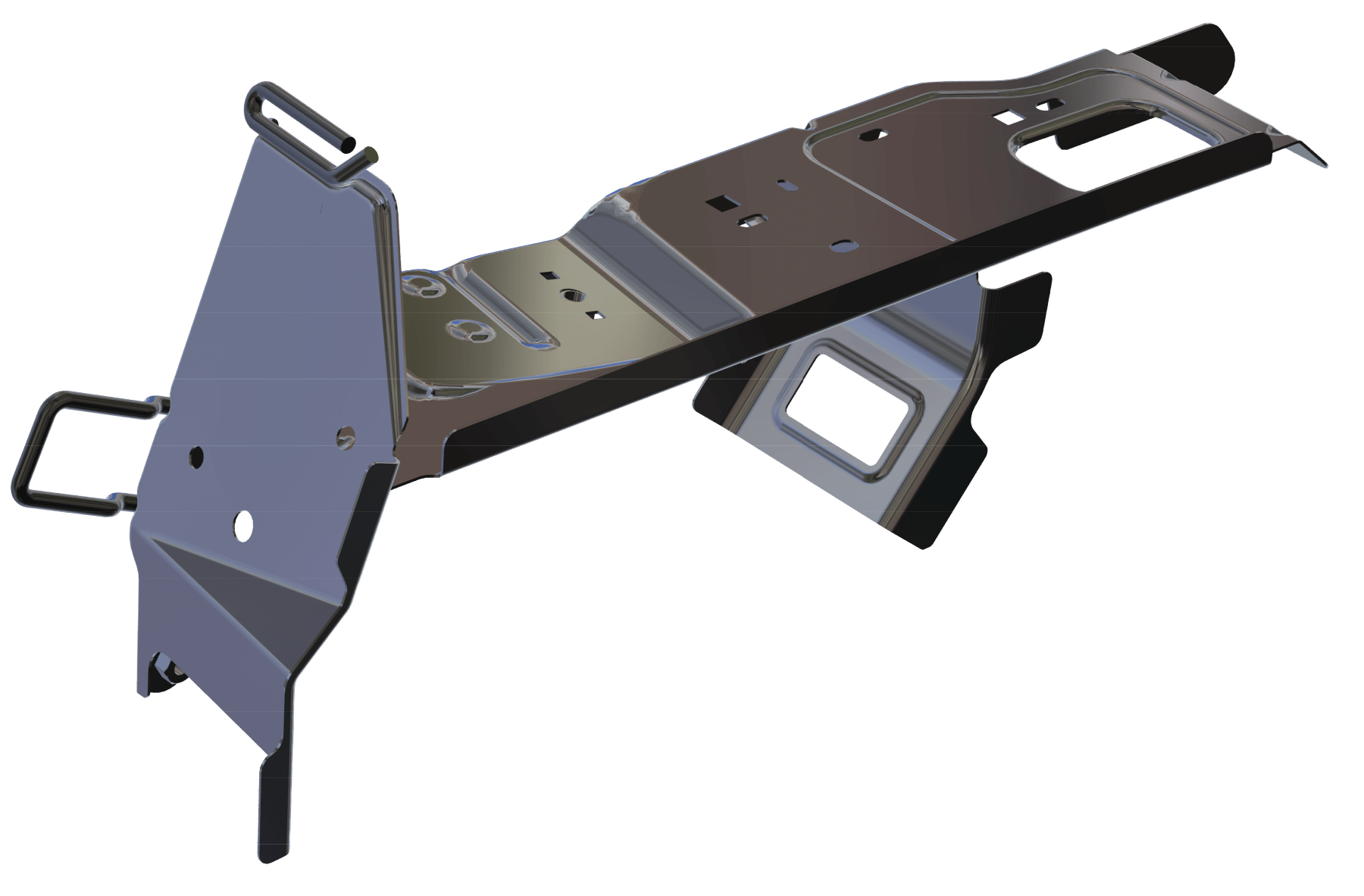



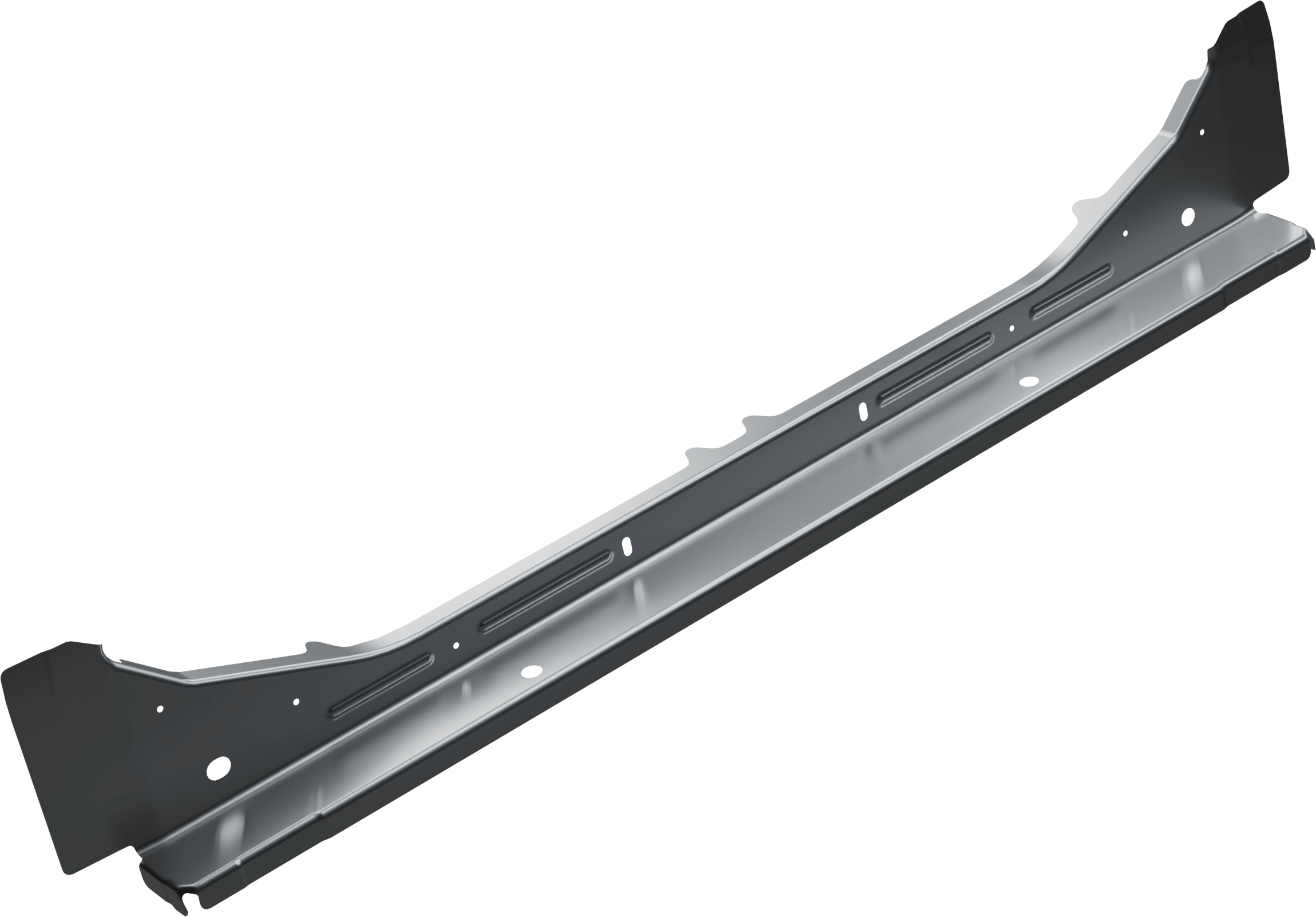
Quertraeger / Crossmember
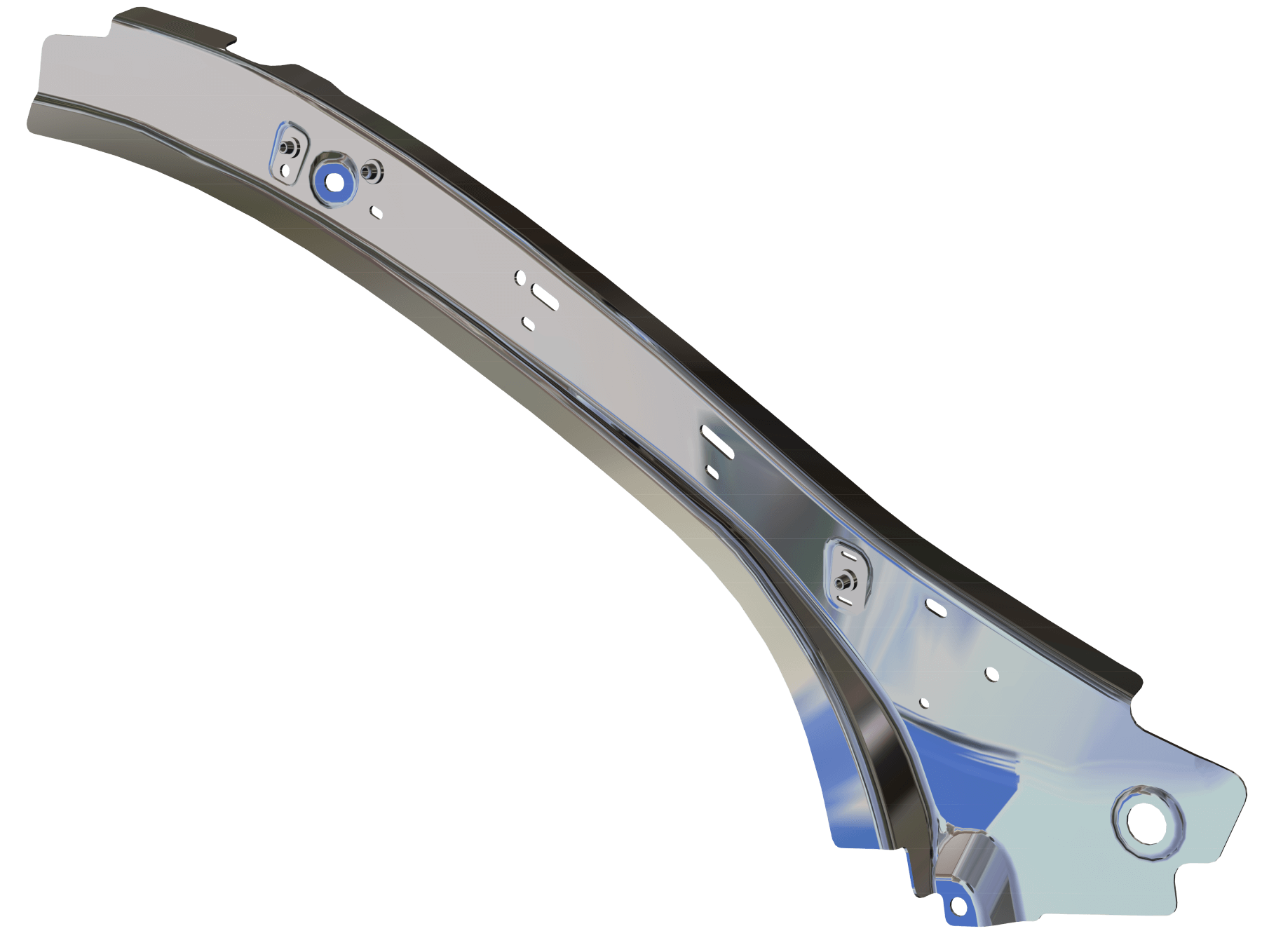
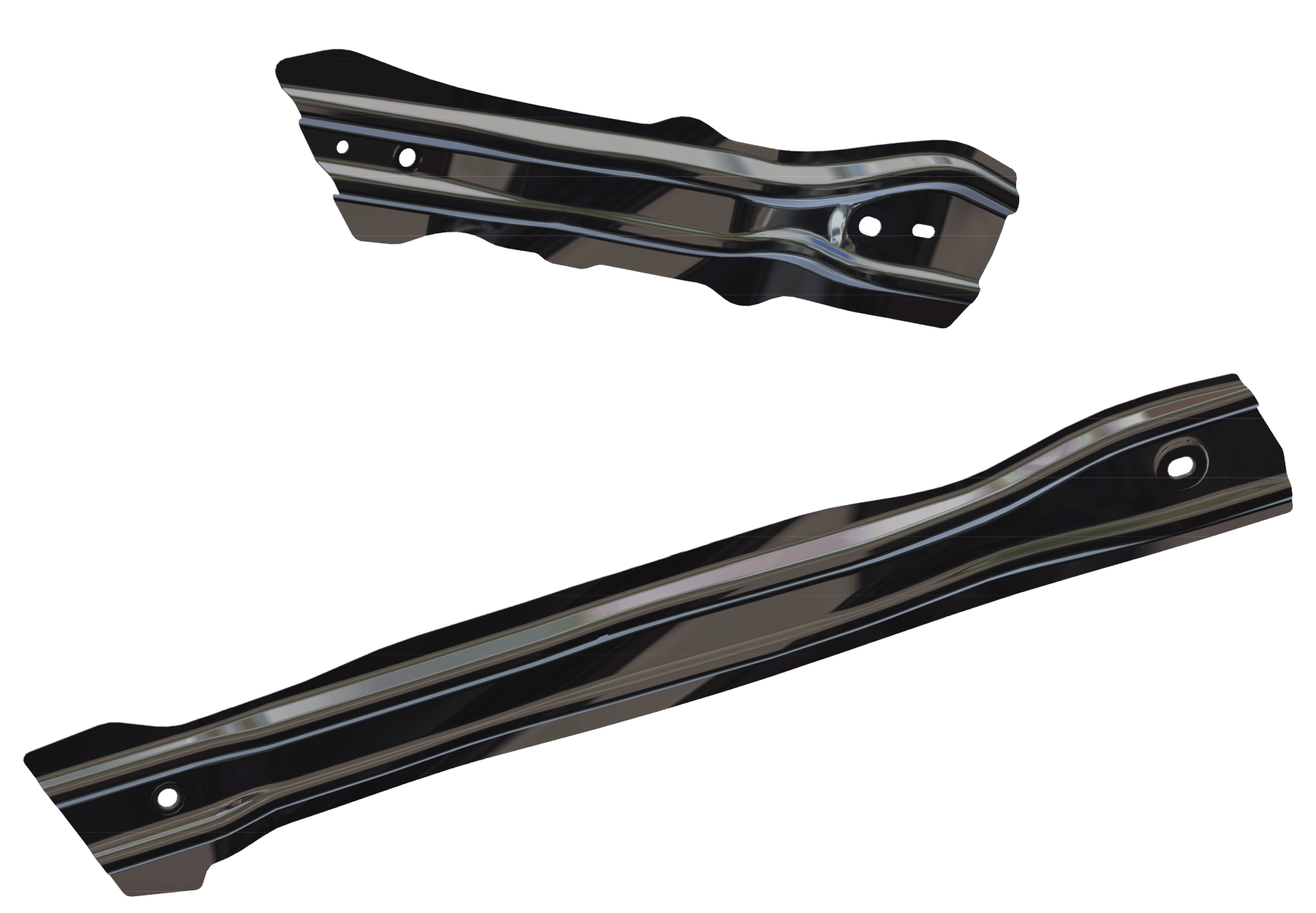
The crossmember (German term Querträger) is a key transverse structural element in the vehicle’s body-in-white (BIW), positioned laterally across the vehicle floor, underbody, or dashboard area. It connects the left and right sides of the body structure, forming part of the vehicle’s load-bearing framework.
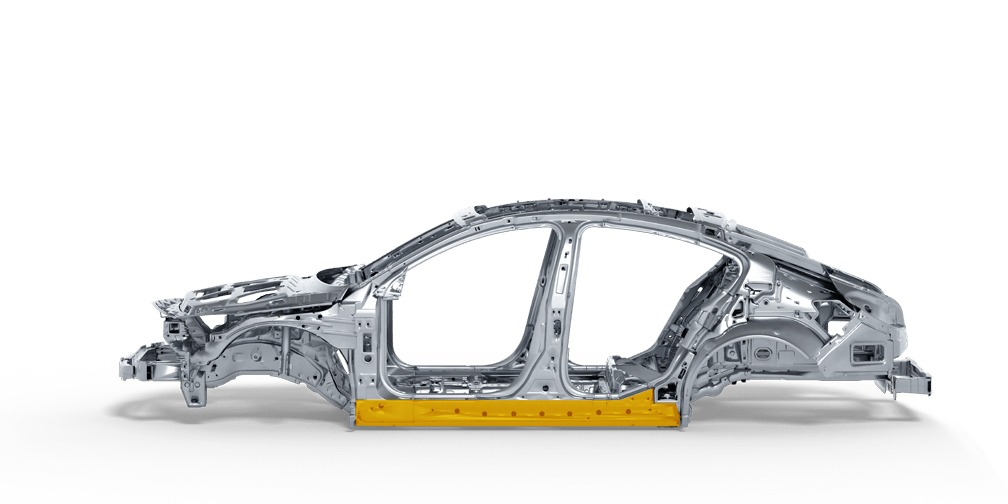
It serves several critical functions:
-
Transverse stiffness: Enhances the lateral rigidity of the body structure, improving torsional performance and handling characteristics.
-
Crash load distribution: Helps distribute impact forces during frontal, rear, or side collisions, contributing to occupant protection and energy absorption.
-
Component integration: Acts as a mounting base for various vehicle systems such as seats, dashboard structures, HVAC modules, pedals, or the steering column.
-
NVH performance: Contributes to vibration and noise control by reinforcing critical junctions and reducing flex under dynamic loads.
-
Load path management: Ensures proper transmission of loads between longitudinal members and across the floor structure.
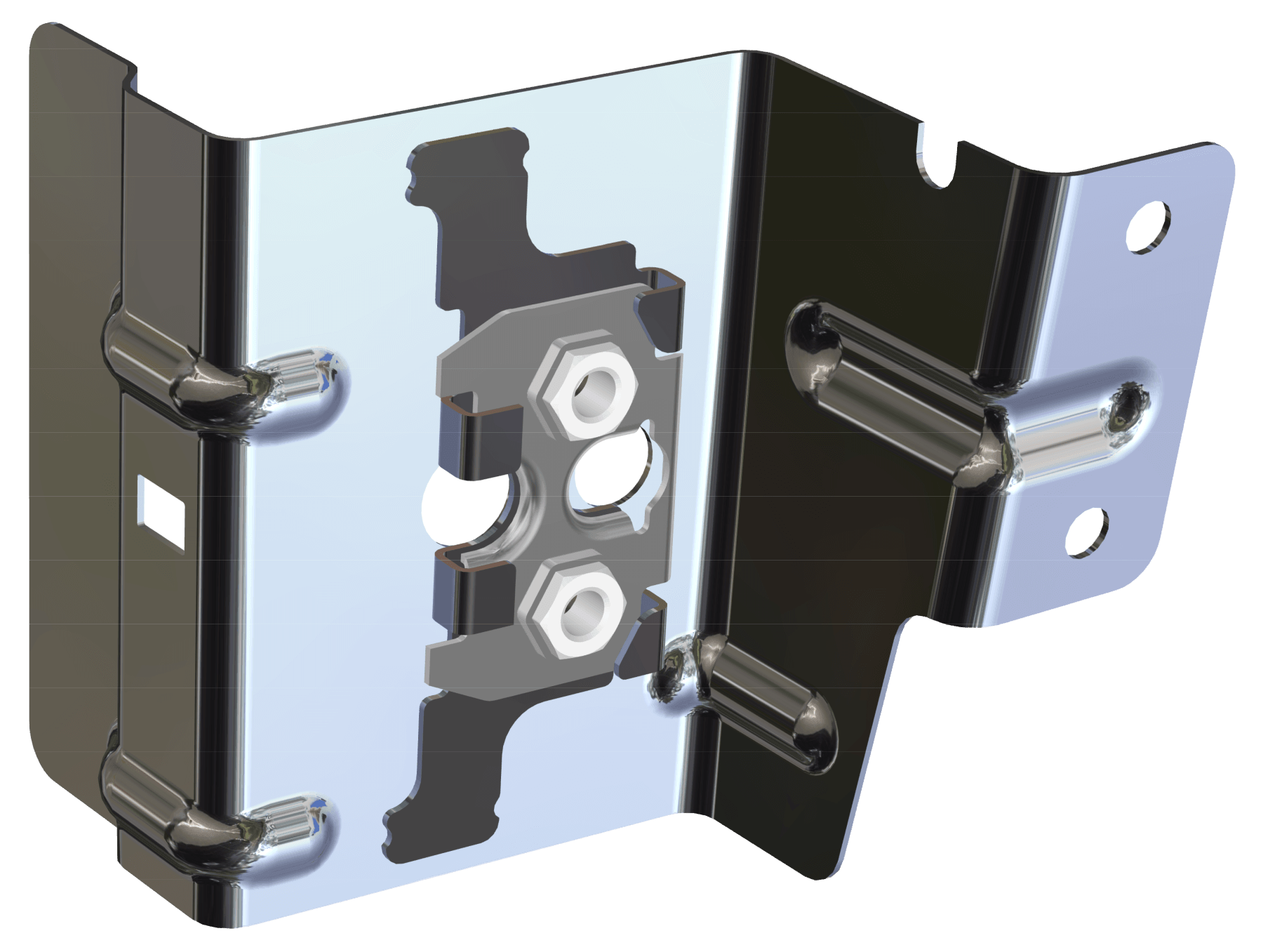
Crossmembers are typically manufactured from high-strength steel, aluminum, or hybrid materials, and are produced using stamping, hydroforming, or extrusion processes. Depending on their location and function, they may feature welded reinforcements, brackets, or inserts for improved performance and modularity.
This component
is manufactured and assembled
using technologies such as:

Hot Stamping

Uncoated Steel Tunnel oven

Laser Cutting
Shot blasting

Oiling
BODY IN WHITE
Body in White (BIW) is the stage in automotive manufacturing where the vehicle’s sheet metal structure (body) is fully assembled.
BIW includes the main structural and outer body components such as:
floor pan, roof, side panels, front and rear aprons, pillars (A, B, C), door frames, hood and trunk lid (if pre-assembled).
These components made and joined using technologies such as:
hot and cold forming, spot welding, laser cutting, MIG/MAG welding, laser welding, riveting, adhesive bonding.
The BIW structure ensures vehicle stifness, crash safety, dimensional accuracy, and provides the base for further assembly and surface finishing processes.