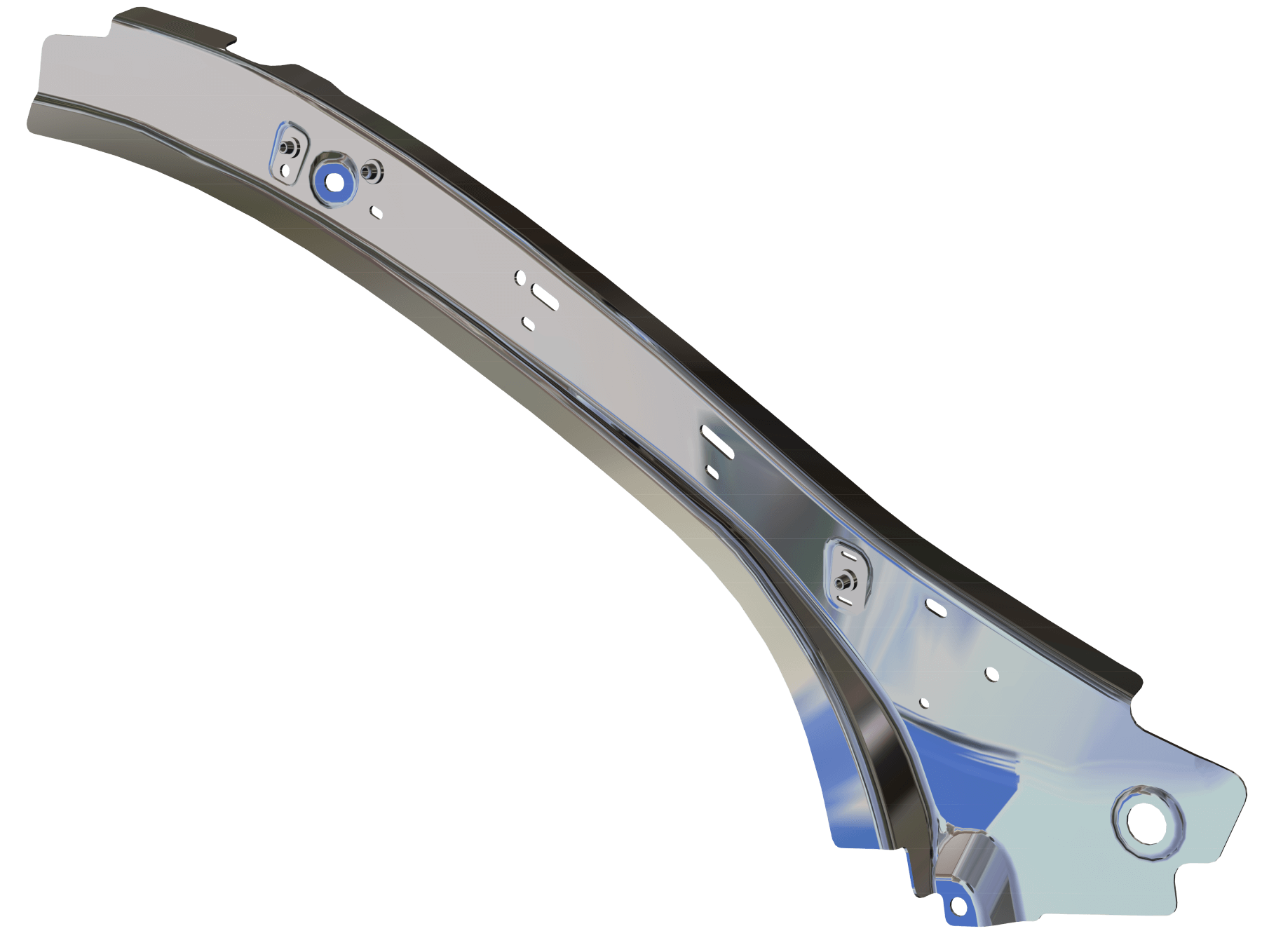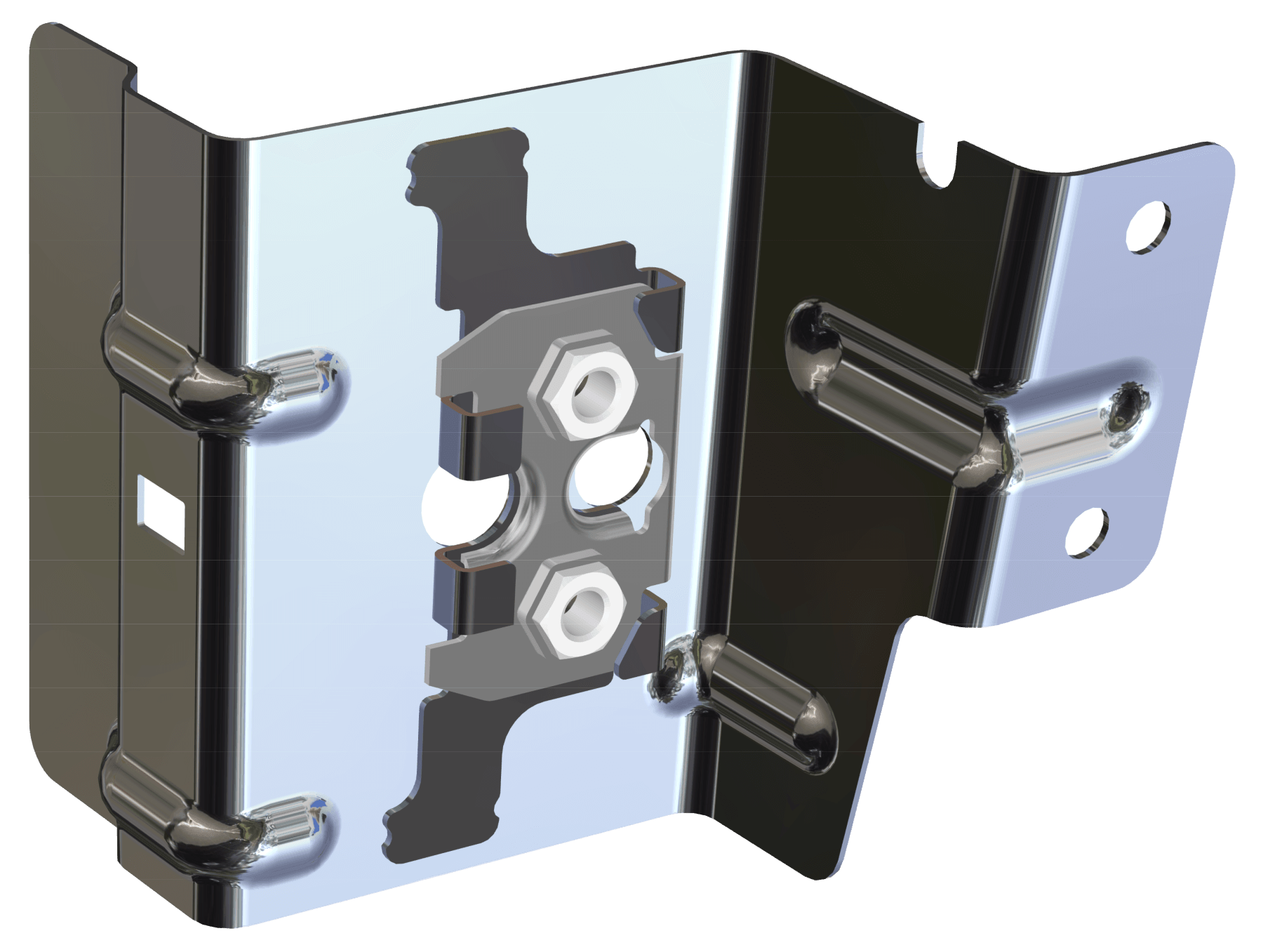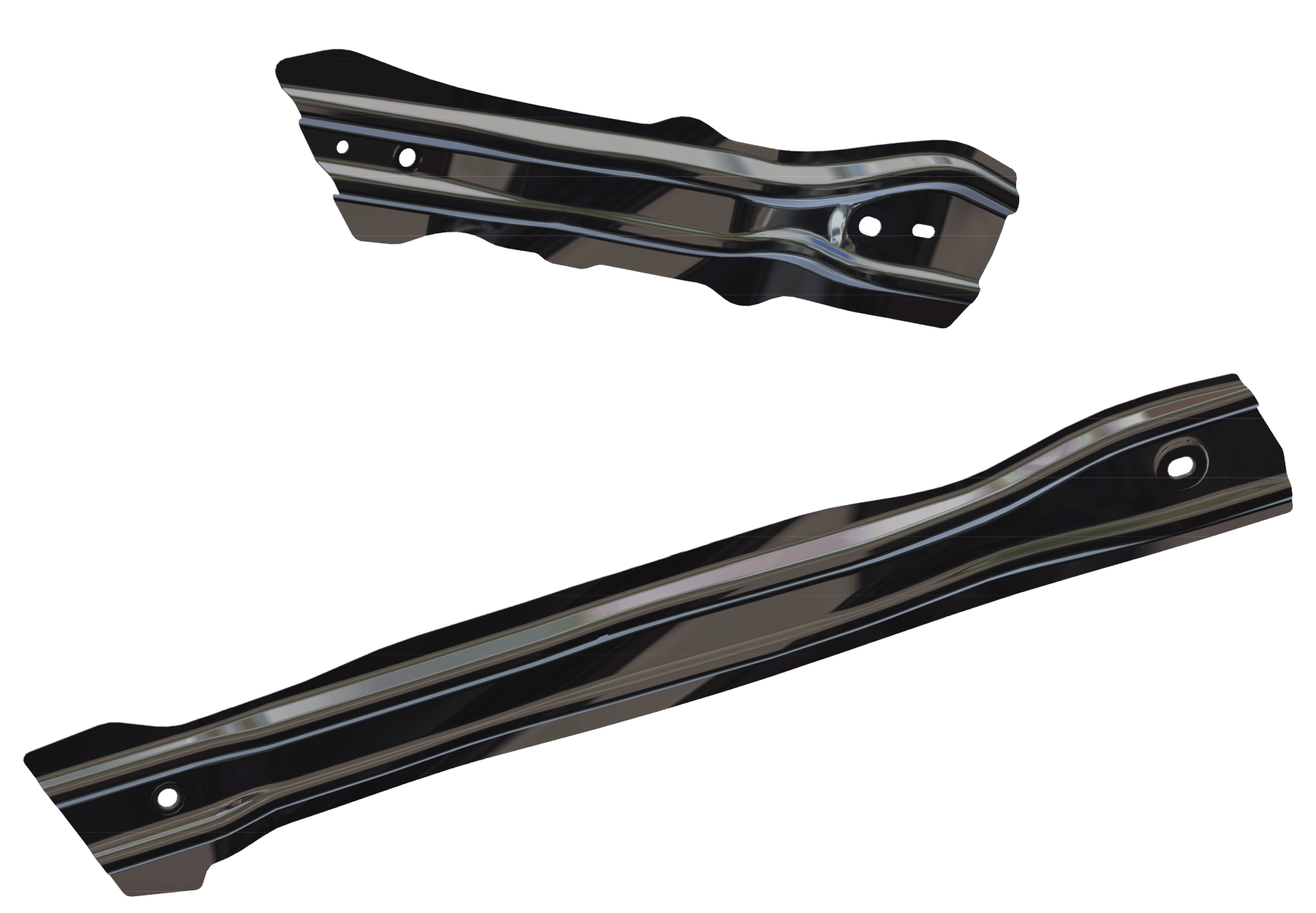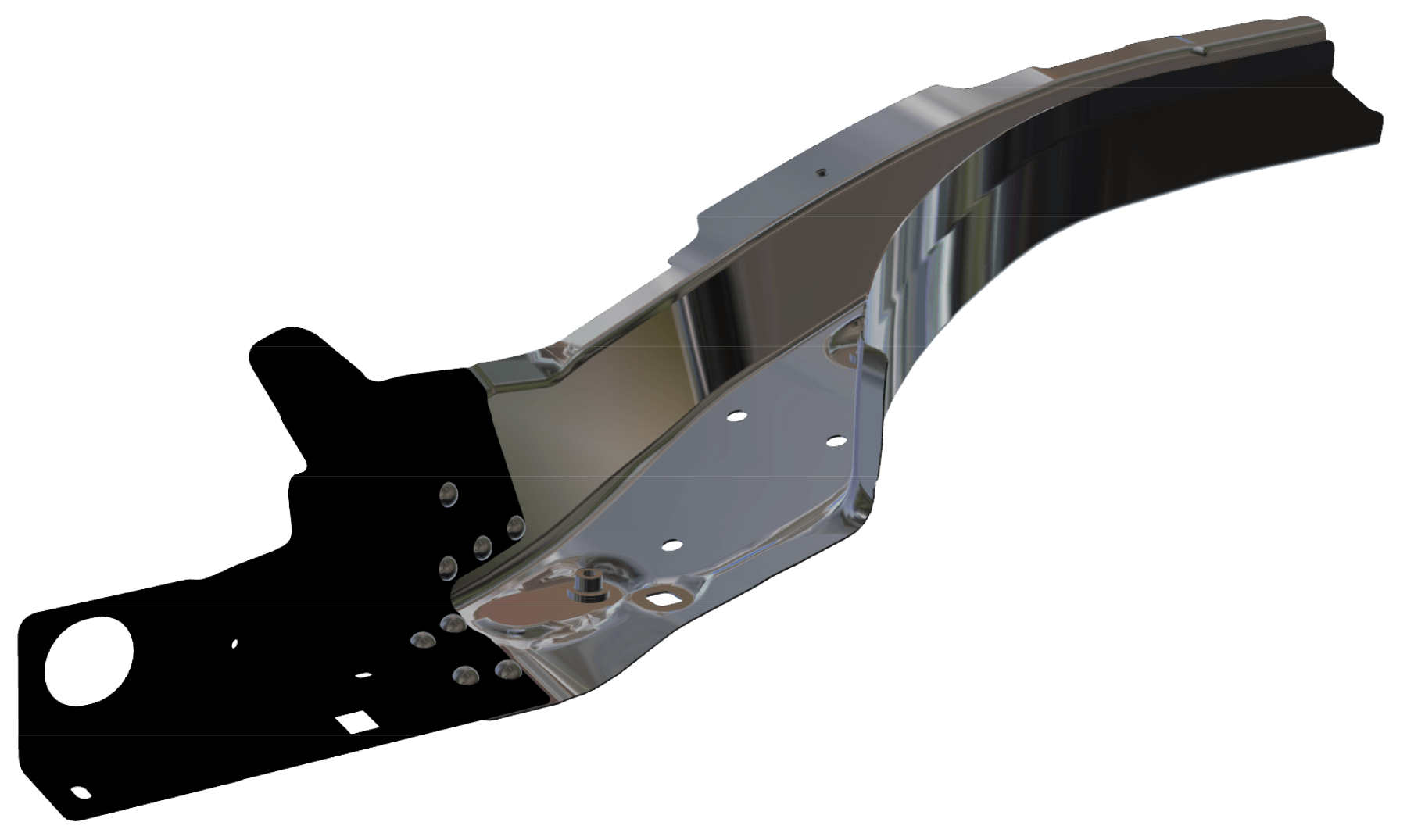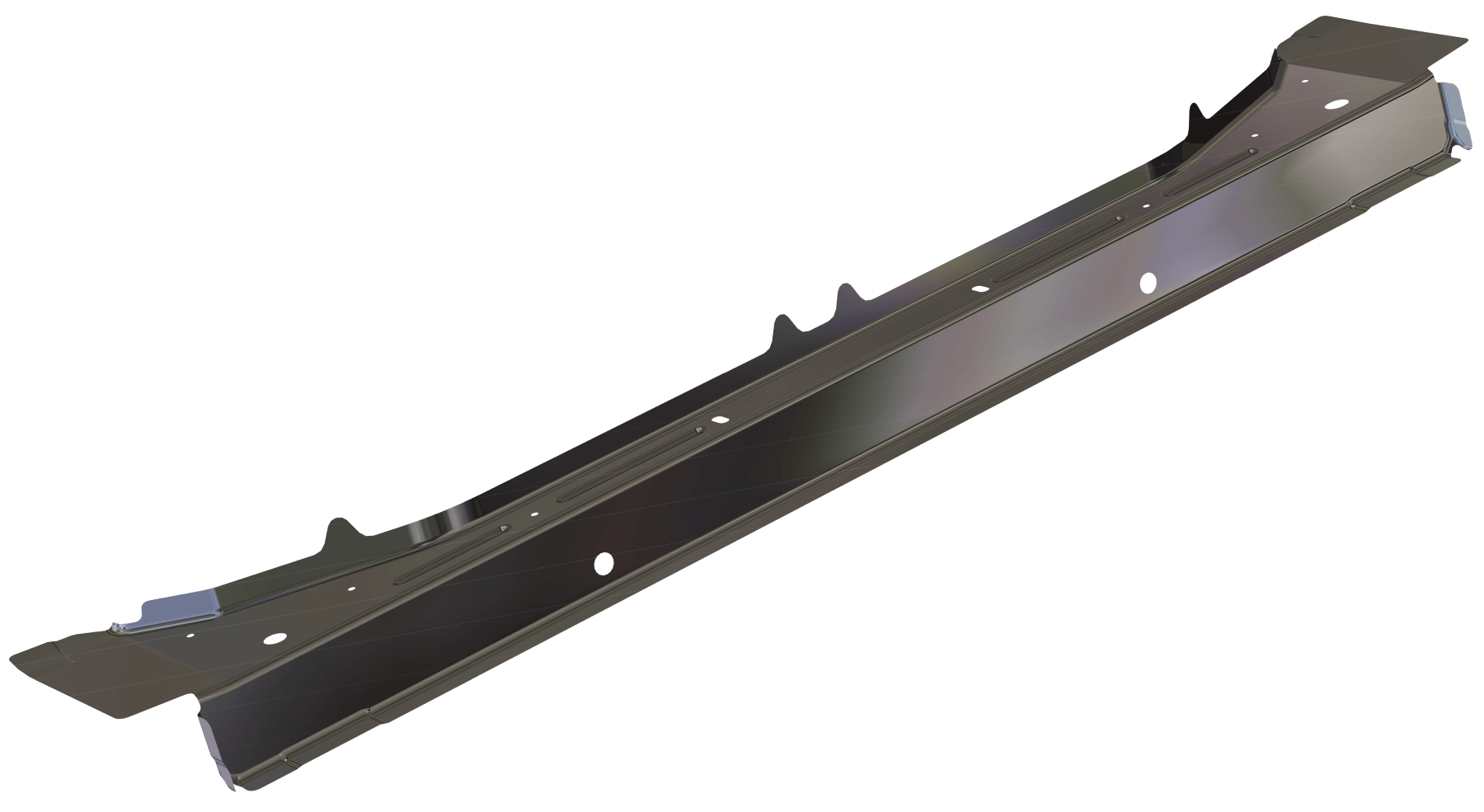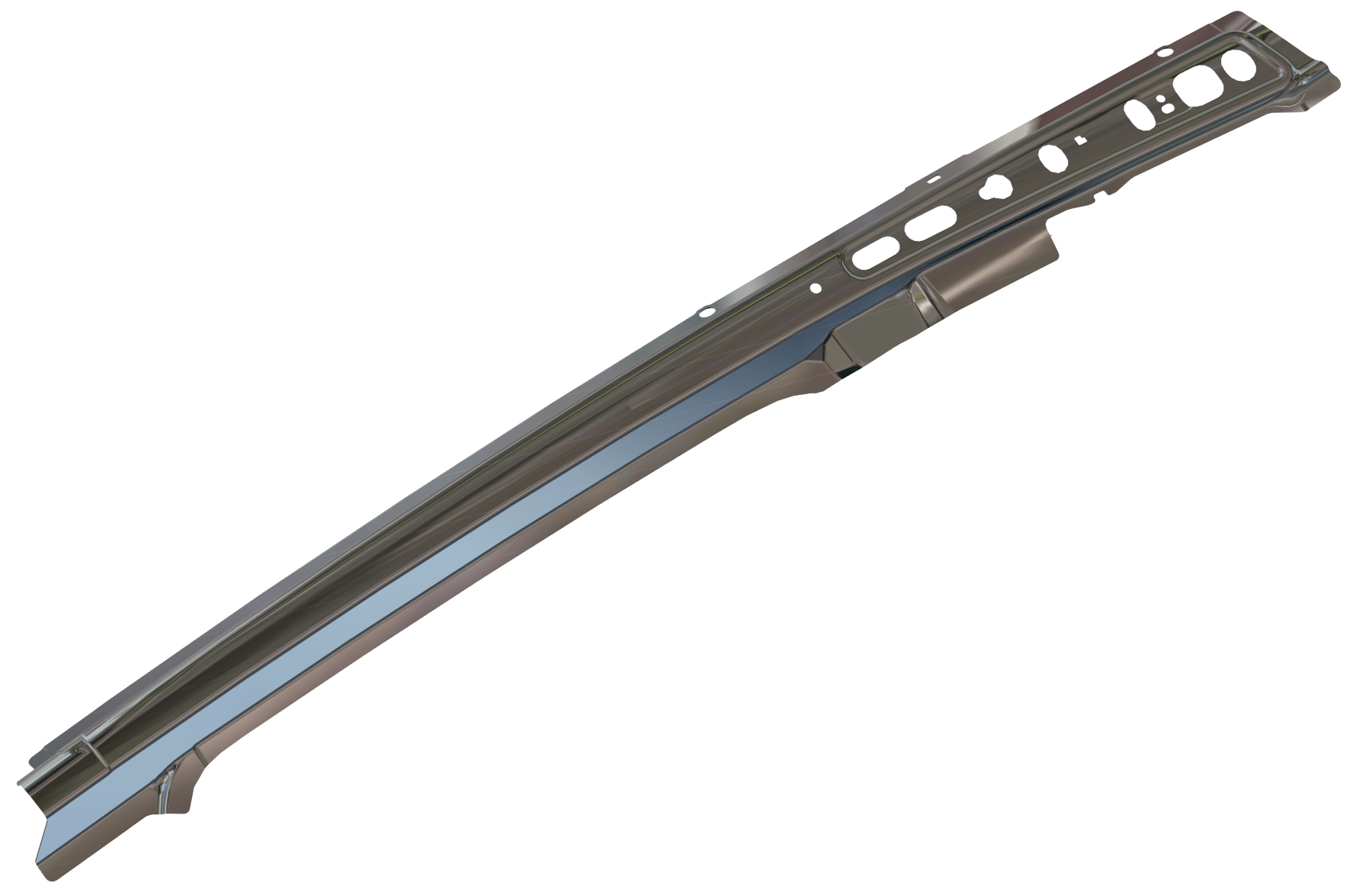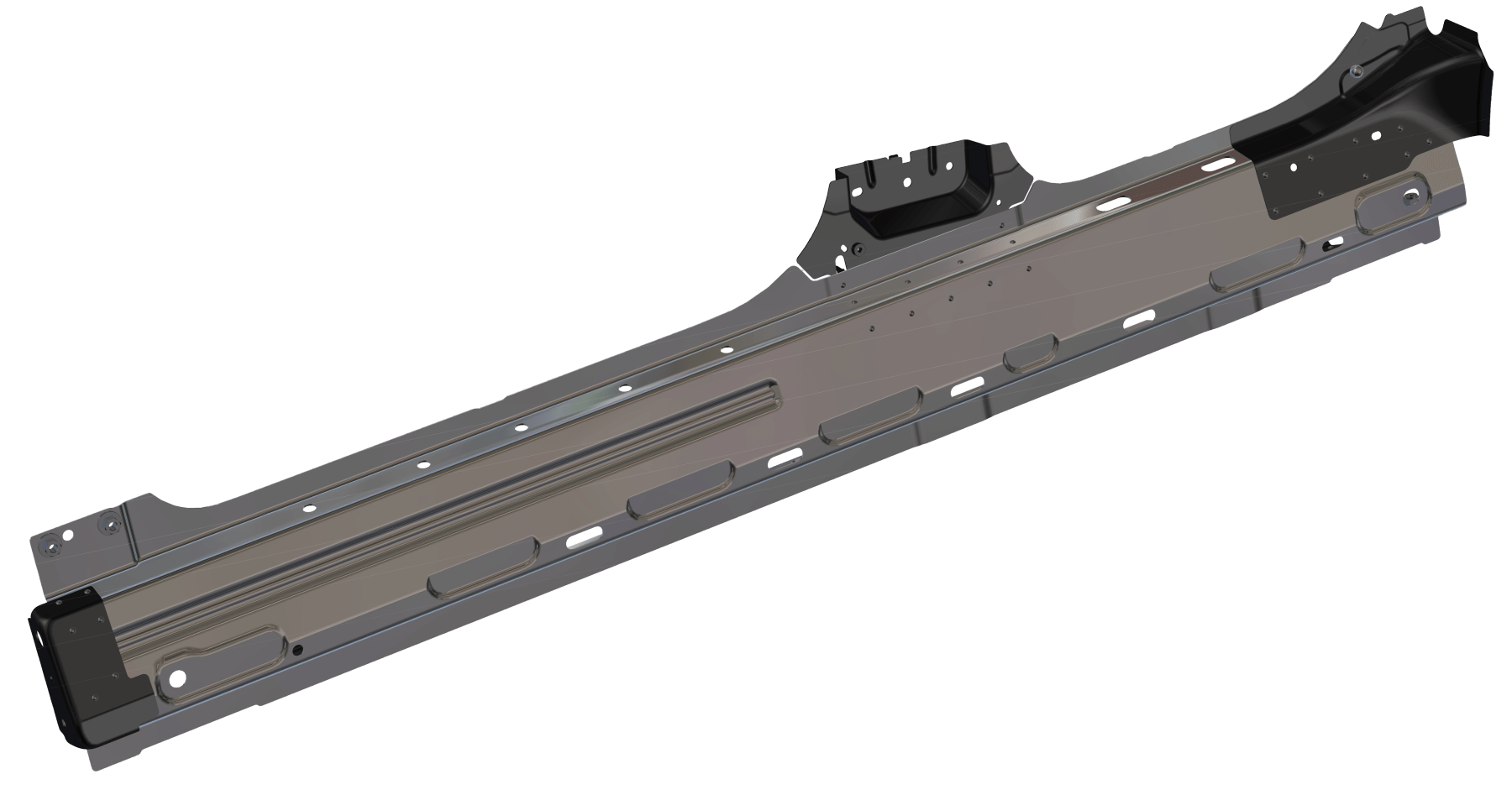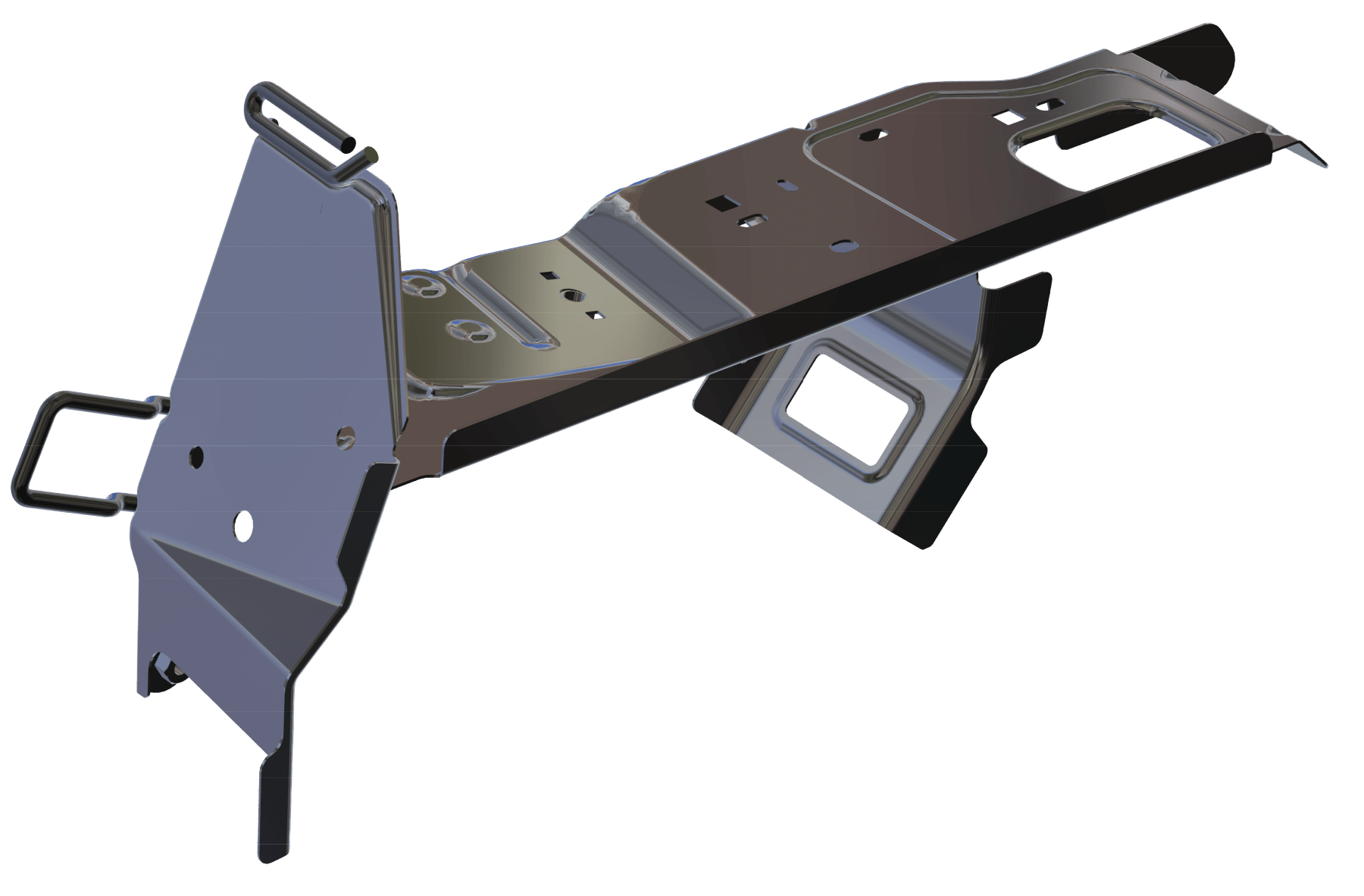



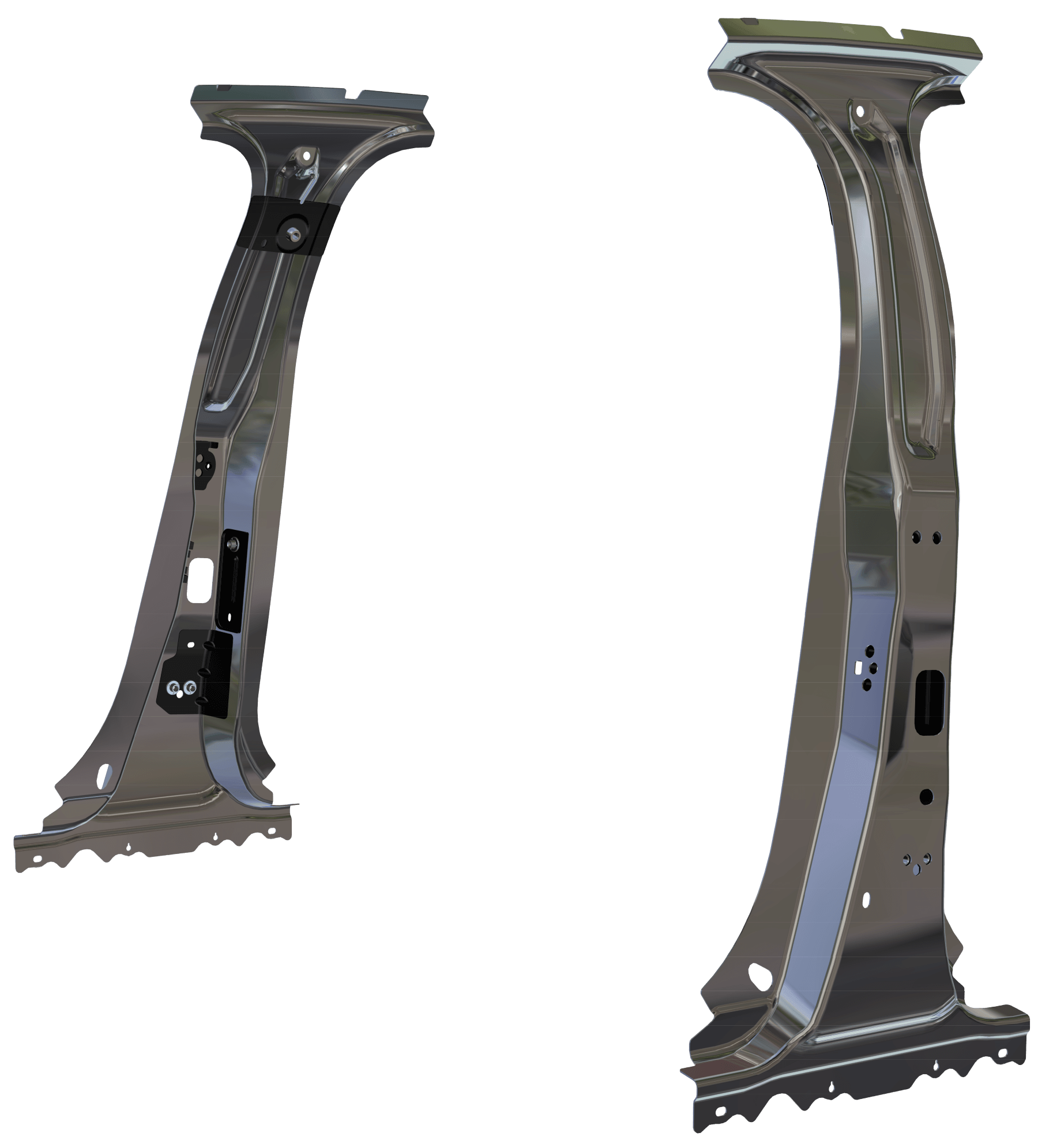
B-PILLAR ASSY
The B-pillar assembly (center pillar) is a key vertical structural element in the vehicle’s body-in-white (BIW), located between the front and rear doors. It connects the roof to the floor and the side sill, forming a central load-bearing point in the side structure of the vehicle.
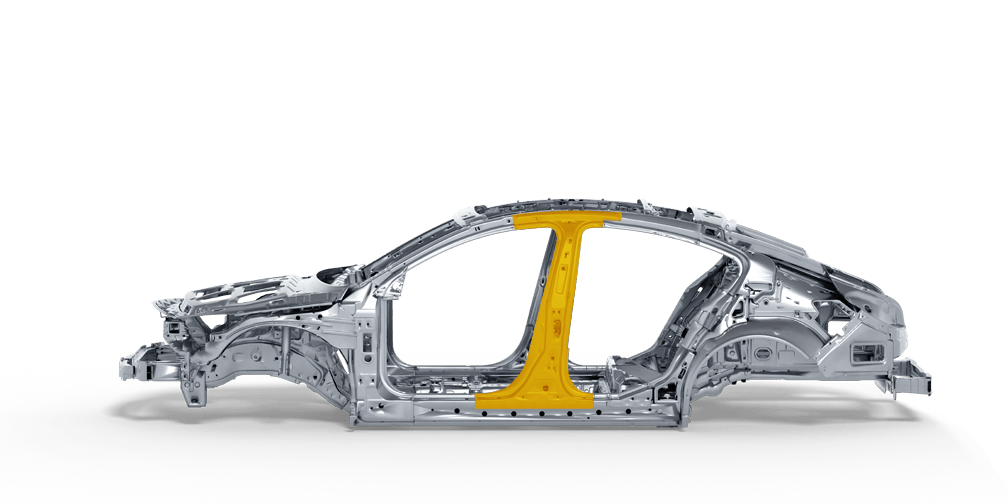
It serves several critical functions:
-
Structural support: Provides vertical strength and rigidity to the passenger compartment, contributing to the overall torsional stiffness of the body.
-
Crash protection: Forms a crucial part of the side-impact protection system, especially in pole or T-bone collisions.
-
Mounting point: Serves as a base for door hinges, door latches, seatbelt anchors, and trim components.
-
Load transfer: Transfers crash and operational loads between the roof, floor, and side structures.
-
Occupant safety: Works in conjunction with airbags and seatbelt systems to enhance occupant protection during impacts.
The B-pillar assembly is typically made from ultra-high-strength steel or a combination of materials using tailored blanks, and is manufactured through hot stamping or cold forming processes, often with internal reinforcements for localized energy absorption.
This component
is manufactured and assembled
using technologies such as:

Hot Stamping

Laser Cutting

Cold Stamping
Patch welding

Spot welding

Projection welding
BODY IN WHITE
Body in White (BIW) is the stage in automotive manufacturing where the vehicle’s sheet metal structure (body) is fully assembled.
BIW includes the main structural and outer body components such as:
floor pan, roof, side panels, front and rear aprons, pillars (A, B, C), door frames, hood and trunk lid (if pre-assembled).
These components made and joined using technologies such as:
hot and cold forming, spot welding, laser cutting, MIG/MAG welding, laser welding, riveting, adhesive bonding.
The BIW structure ensures vehicle stifness, crash safety, dimensional accuracy, and provides the base for further assembly and surface finishing processes.